
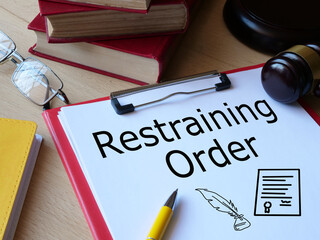
If an order of protection was issued against you, it is crucial that you understand your legal obligations and what can happen if you violate the terms of the court order. Continue reading and consult with an experienced Rockland County criminal defense attorney for more information and skilled legal advice today.
What is an Order of Protection?
An order of protection is a court order, also known more commonly as a restraining order. This document is issued by the court on either a temporary or long-term basis when there is evidence that an individual has been harassed or abused by another person. The victim can request that the court orders the offender to not contact the victim or come within a certain distance of them for their protection.
An order of protection can order a person to not injure, threaten, or harass you, your family, or any person listed on the order. Examples of common conditions of a restraining order include:
- Having no contact with you or any other person listed on the order
- Being required to move out of a shared home
- Paying you child support
- Paying you spousal support
- Following custody orders for shared children
- Not owning or accessing firearms
In emergency situations, a temporary order of protection can be issued on the date that you file for the restraining order, before the respondent is even served with papers. This will last until the next hearing where the court will either extend its validity, let it expire, or issue a final order of protection which lasts either two or five years.
What Happens if I Violate an Order of Protection in NY?
Under New York Penal Law 215.50(3), if you disobey an order of protection, whether temporary or final, you are guilty of criminal contempt in the second degree. Criminal contempt is an action that involves the obstruction of justice or inhibits a court from operating as it should. This includes acting in opposition of a court order, like a restraining order.
If you violate a restraining order, the victim can call the police. The police will be required to arrest you if there is reasonable cause that the order of protection was violated, and additional charges can be filed if you committed any other crime like assault, for example. The victim can also file a Violation Petition in family court.
If you are charged with contempt, you can face a variety of consequences. The offense is a Class A misdemeanor and can result in up to 1 year of imprisonment, $1,000 in fines, a criminal record, and additional repercussions unique to your situation.
Restraining orders are issued based on evidence that the defendant poses a threat to the individual, so contacting or harassing the victim will only further their point and leave you with significant consequences. To learn more and obtain skilled legal representation, reach out to an experienced attorney at the Law Office of Kevin T. Conway today.